Solve
Work through patterns, spatial clues, number relationships, and layered challenges that reward patient thinking.
Play that gives attention somewhere worth staying.
A quieter kind of play does not mean less curiosity. It means fewer interruptions, more intention, and enough space for a child or adult to follow an idea all the way through. This edit brings together tactile challenges, thoughtful construction, strategy, experiments, puzzles, and model building for moments when concentration becomes part of the experience.
Curiosity feels different when nothing is rushing it. A puzzle piece examined twice, a mechanism rebuilt until it turns correctly, a strategy reconsidered before the next move—small acts of attention can make play feel deeper, calmer, and more satisfying.

STEM and learning play work best when the object in front of you keeps revealing a little more. A circuit, balance problem, number pattern, experiment, or construction sequence can turn concentration into something active rather than forced.
The strongest quiet-focus activities create an understandable challenge, then leave room for trial, observation, correction, and discovery. There is no need to hurry toward an answer. The process is part of the play.
Quiet play is not one mood or one age group. Sometimes it is analytical, sometimes visual, sometimes mechanical, and sometimes social. The right activity gives attention enough structure to settle without making the experience feel rigid.
Work through patterns, spatial clues, number relationships, and layered challenges that reward patient thinking.
Follow a sequence, understand how parts relate, and turn separate pieces into a finished structure or working model.
Use observation and experimentation to understand cause, effect, motion, balance, materials, and scientific ideas through hands-on play.
Slow down decision-making with tabletop challenges where timing, prediction, memory, and strategy shape every move.
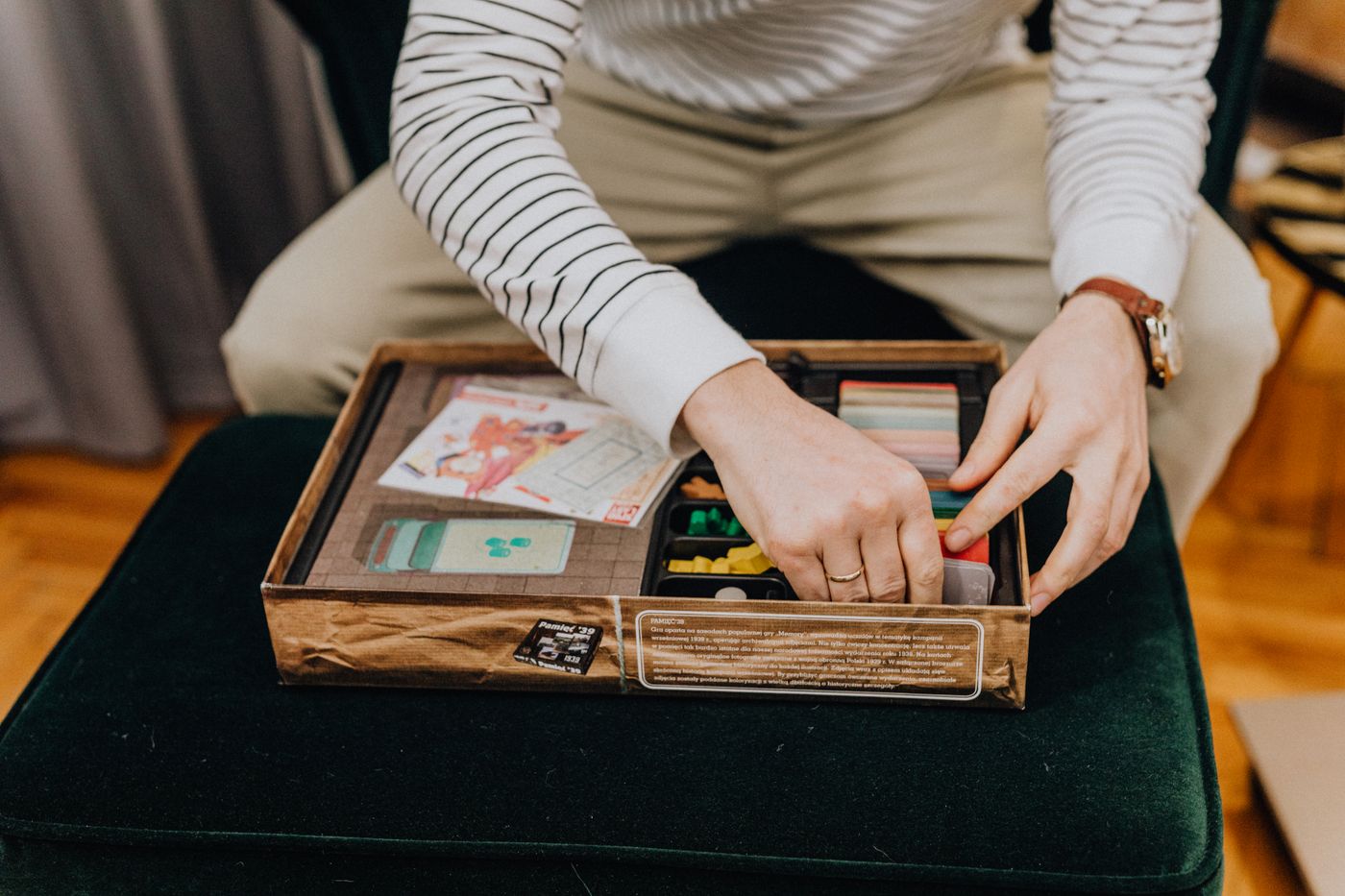
Adult puzzles, strategy games, mechanical models, and intricate DIY builds create another kind of reset: hands occupied, attention narrowed, and a clear problem in front of you instead of a stream of digital interruptions.
Some sessions are shared across a table. Others are best experienced alone with a complex build, a cup of coffee, and enough time to work slowly. Both can create the same valuable thing—a stretch of uninterrupted attention.
Choose a session length →A good focus session does not have to consume an afternoon. The better question is whether the activity can hold attention naturally for the time available.
Short logic problems, number challenges, compact brain teasers, or a small hands-on experiment.
A building stage, a puzzle section, a strategy game, or a guided STEM activity with a clear beginning and endpoint.
Larger puzzles, detailed mechanical kits, complex models, multi-step builds, and longer strategy sessions.
Long-form builds and puzzles can become an ongoing project that grows one quiet session at a time.
The CurioPlay assortment moves between learning, construction, logic, creativity, movement, and strategy. These categories can support different forms of attention for children, families, and adults.
Pieces connect, mechanisms turn, cards move, models assemble, and experiments unfold through physical interaction rather than passive watching.
Strong activities make the next problem visible. Progress can be seen, tested, revised, and understood without unnecessary clutter.
The best outcome is not simply reaching the end. It is seeing how patience, observation, construction, or strategy helped create the result.
Focus is easier when the activity feels inviting rather than overwhelming. These questions can help narrow the choice by age, experience, setting, and available time.
Tell us the age range, preferred challenge, and whether you are choosing for solo play, family time, learning, building, or an adult hobby. Our team can help you narrow the options without turning the process into more noise.